 Charleston, SC
Water Extraction
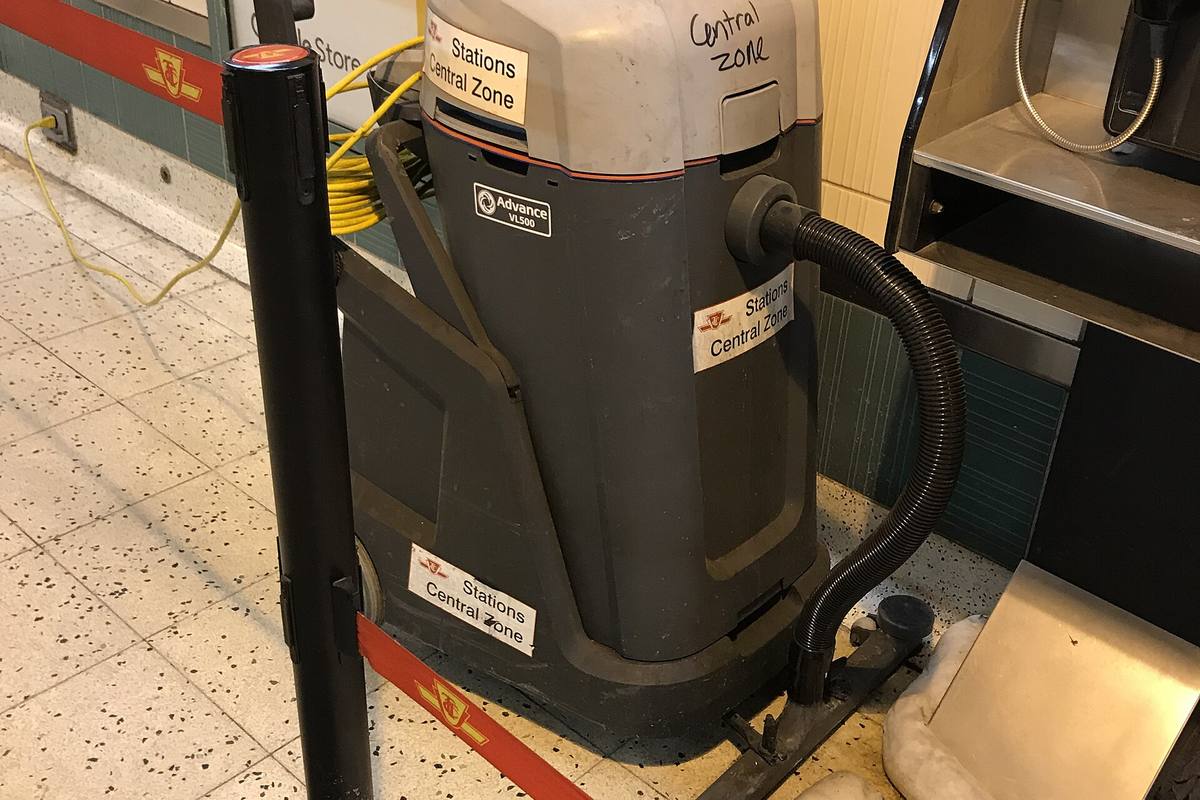
Standing water removed from your home or business with professional extraction equipment — the first step in every water damage job.
Learn more → RapidDry RestorationWater Damage Restoration · Charleston, SC
RapidDry Restoration · Charleston, South Carolina
Get the water out, dry the structure, and get a clear plan for the repair. We connect you with a local water damage restoration provider in Charleston who extracts the standing water, maps the moisture, dries the building to a measured reading, and tells you plainly what comes next.
Serving Downtown Charleston, Historic District, South of Broad, French Quarter, Ansonborough and more across Charleston, SC
How Water Damage Restoration Works
Call or send the form. Tell us what happened — a burst pipe, a flood, a stain — and we connect you with a local provider.
Pumps and extractors remove the standing water from floors, carpets and low spots — the first step in every job.
Moisture meters map what is still wet inside walls and floors. Air movers and dehumidifiers dry the structure to a measured reading.
With the structure dry, you get a clear plan for the repair — in plain language, with photographs and readings.
Is It Water Damage?
Water rarely announces itself clearly. Any one of these is worth a call — water that stays inside walls and under floors is what turns into mold.
Water on a floor, in a basement or a crawl space — the sooner it comes out, the less it soaks into framing, subfloor and drywall.
A stain means water has been moving through it — and the source may still be active.
A damp smell in one room usually means something is wet behind a wall, under a floor or in a crawl space.
Hardwood that cups or buckles is wood that absorbed water — and it needs careful, measured drying.
A sudden rise with no change in use often points to a hidden leak — a running toilet, a supply line inside a wall, or a slab leak.
A burst pipe, a failed water heater, storm water under the door — call for 24/7 water removal and get it out.
What We Handle
Twenty-five services, from the first extraction to the finished repair. Every job starts the same way: get the water out, dry the structure, then repair.
Charleston, SCStanding water removed from your home or business with professional extraction equipment — the first step in every water damage job.
Learn more →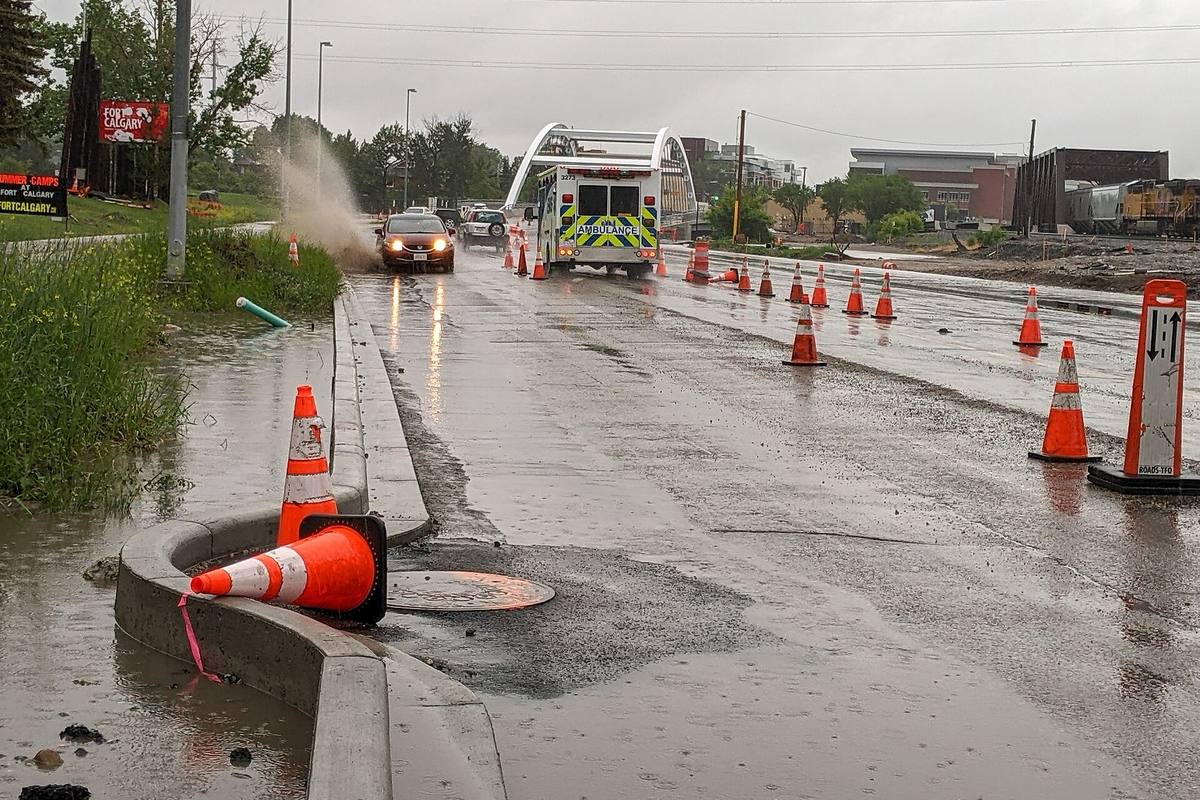 Charleston, SC
Water in your home right now? Call for 24/7 water removal — we connect you with a local provider who can get it out.
Learn more →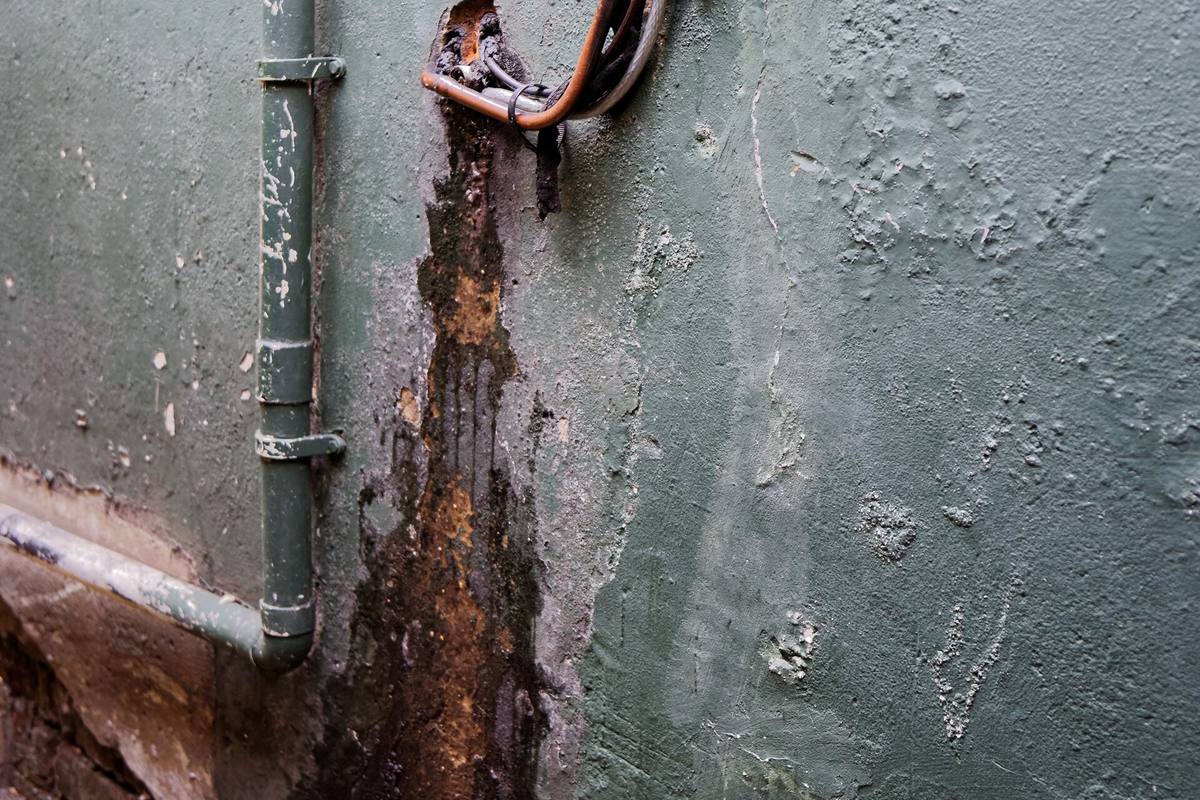 Charleston, SC
From the first call to a dry, repaired home — extraction, drying, and a clear plan for putting the damage right.
Learn more → Charleston, SC
After flood water comes in, cleanup means more than mopping — removing what the water ruined, drying what can be saved, and documenting it all.
Learn more →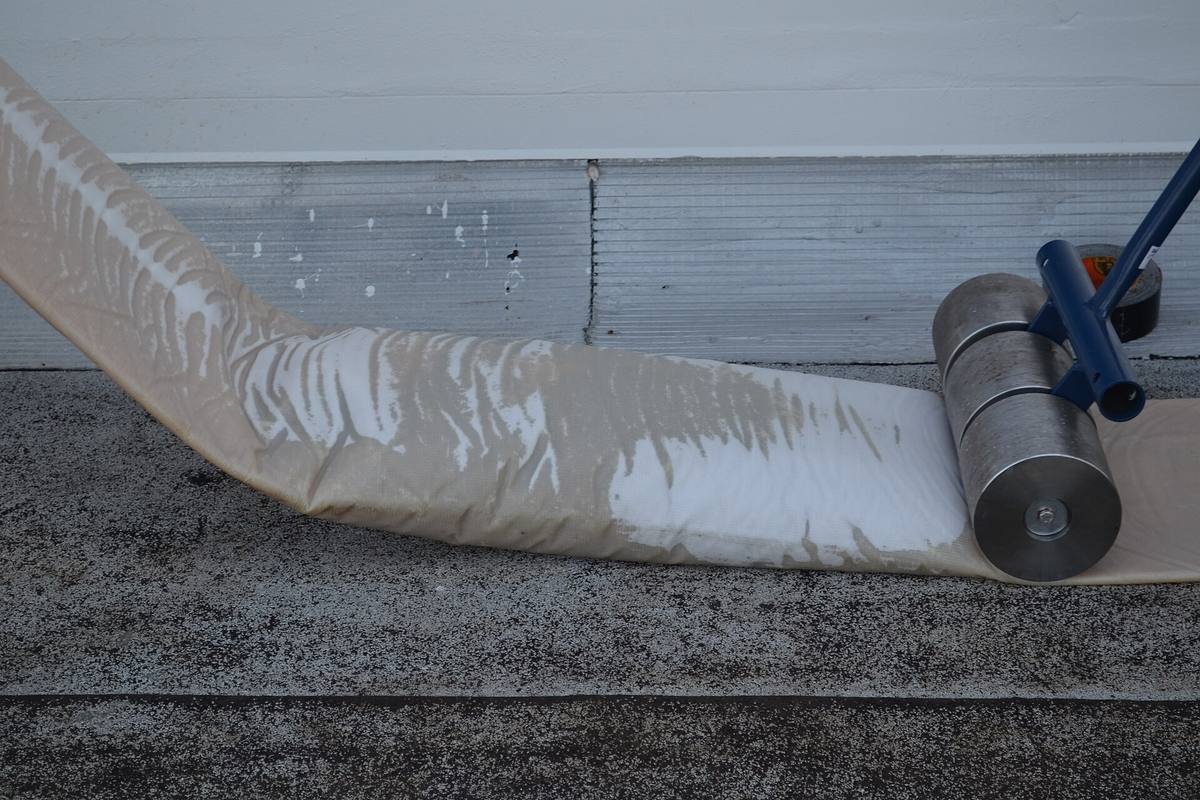 Charleston, SC
Sewage backup is not a mop job. It needs proper cleanup, disinfection and drying — handled by a provider with the right equipment.
Learn more →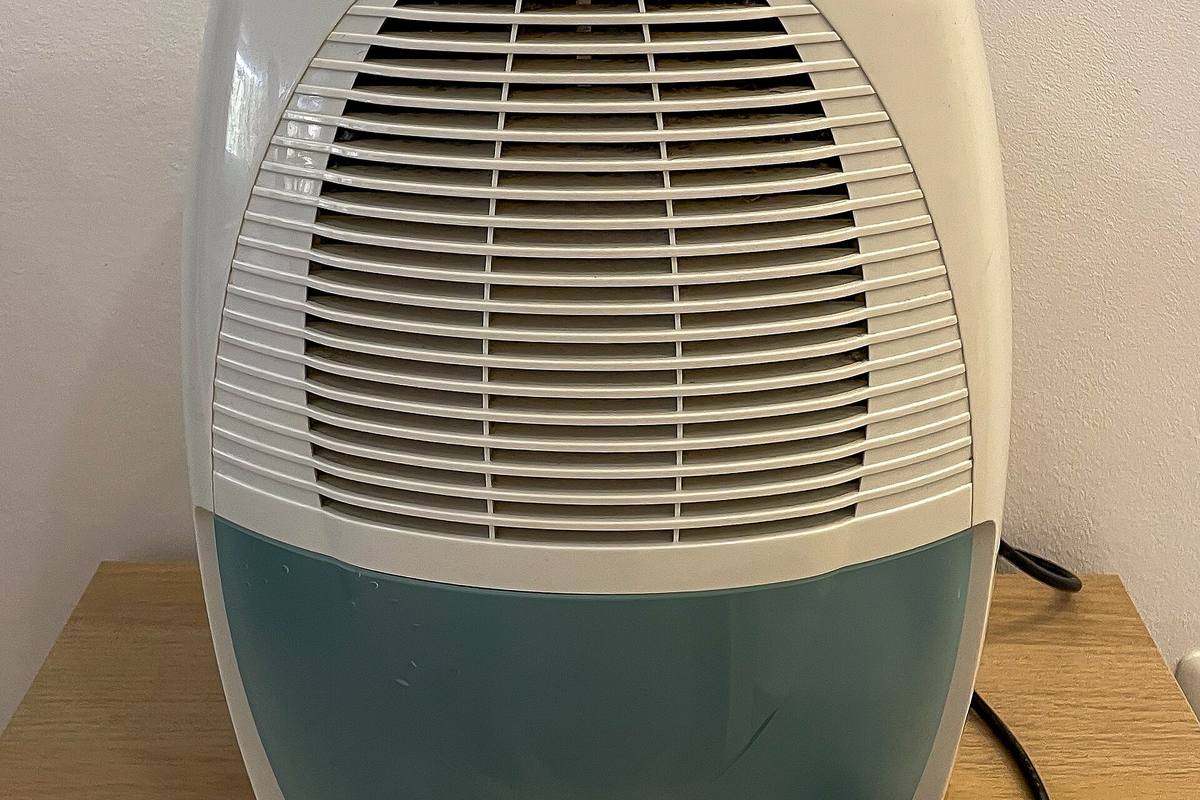 Charleston, SC
Drying a building properly means drying inside the walls and framing — measured with meters, not guessed by touch.
Learn more →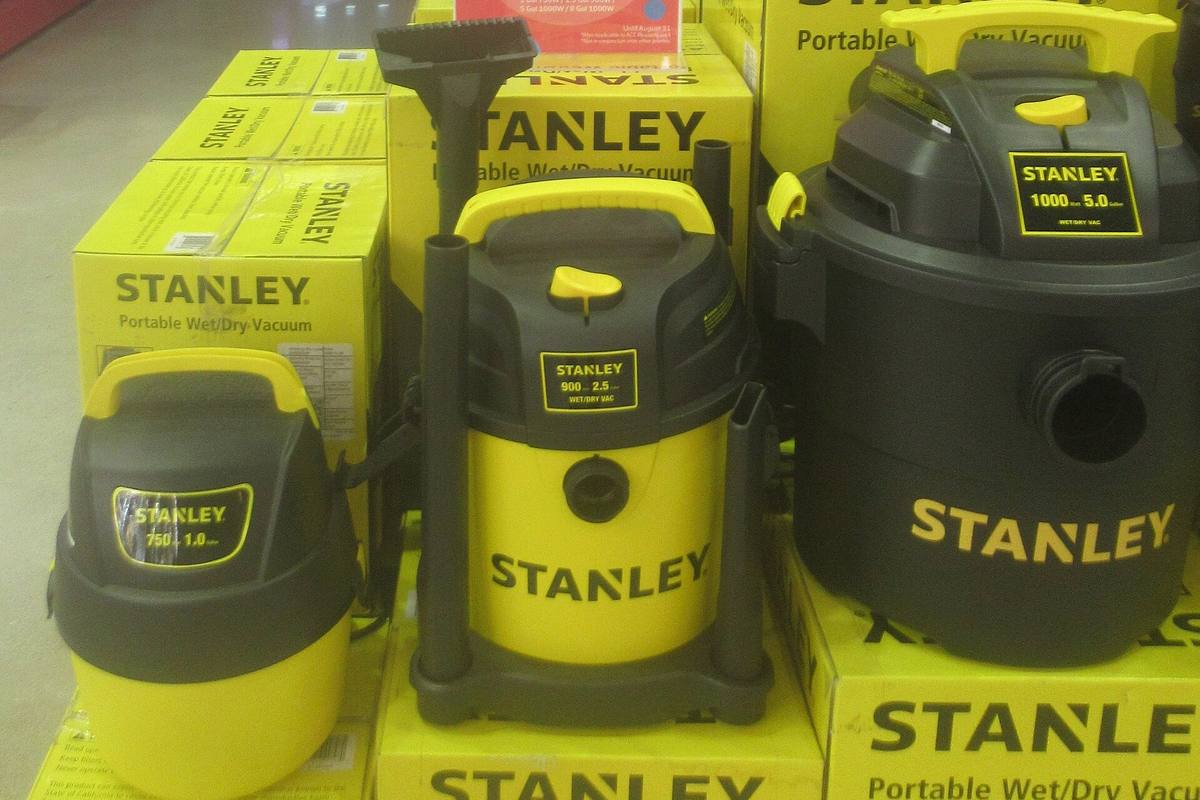 Charleston, SC
Wet carpet holds far more water than it looks — professional extraction pulls it from the carpet and the padding underneath.
Learn more →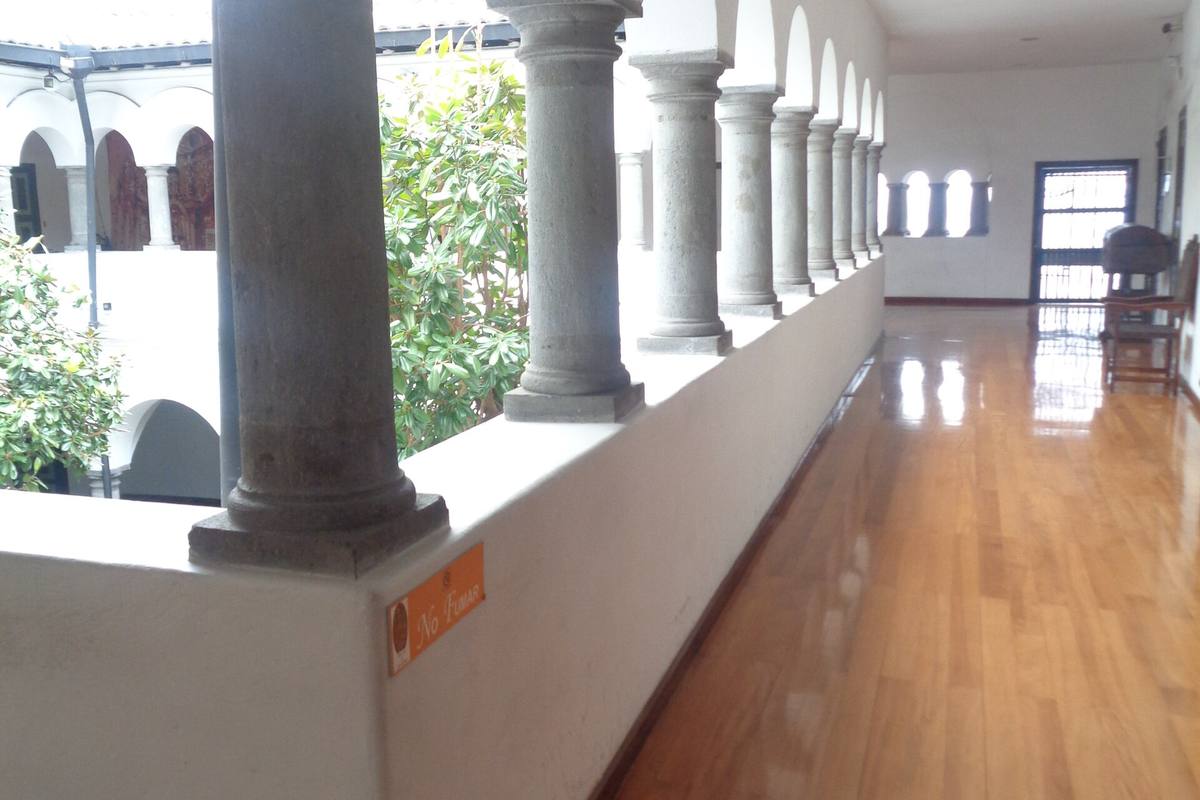 Charleston, SC
Hardwood floors cup and buckle when they stay wet — careful drying, measured with meters, gives them the best chance of coming back.
Learn more →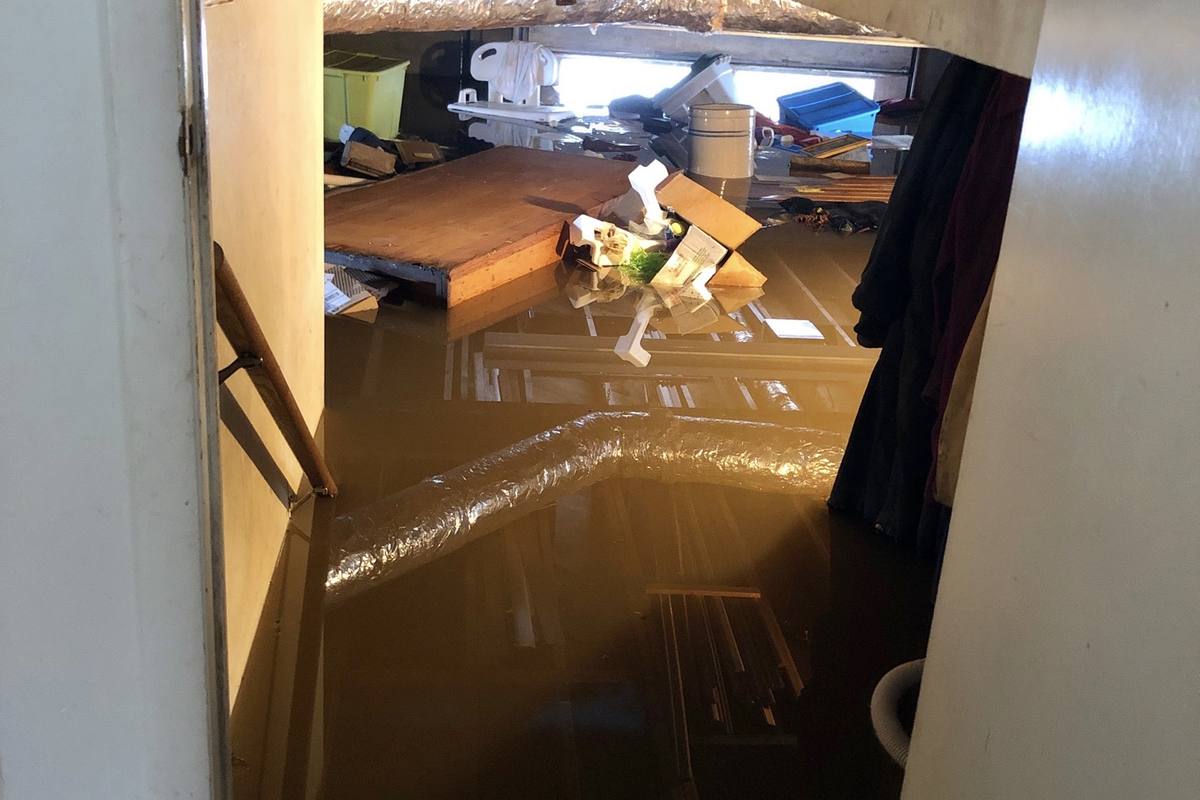 Charleston, SC
A flooded basement or ground floor needs the water out fast — and the moisture underneath checked, not just the surface.
Learn more → Charleston, SC
Crawl spaces trap moisture against the joists and subfloor — drying them properly protects the whole house above.
Learn more → Charleston, SC
A burst pipe can put gallons of water into a home in minutes. Cleanup starts with stopping the water, then getting it out.
Learn more → Charleston, SC
After a storm, the job is to get the water out, dry what can be saved, and document everything — before the next rain.
Learn more →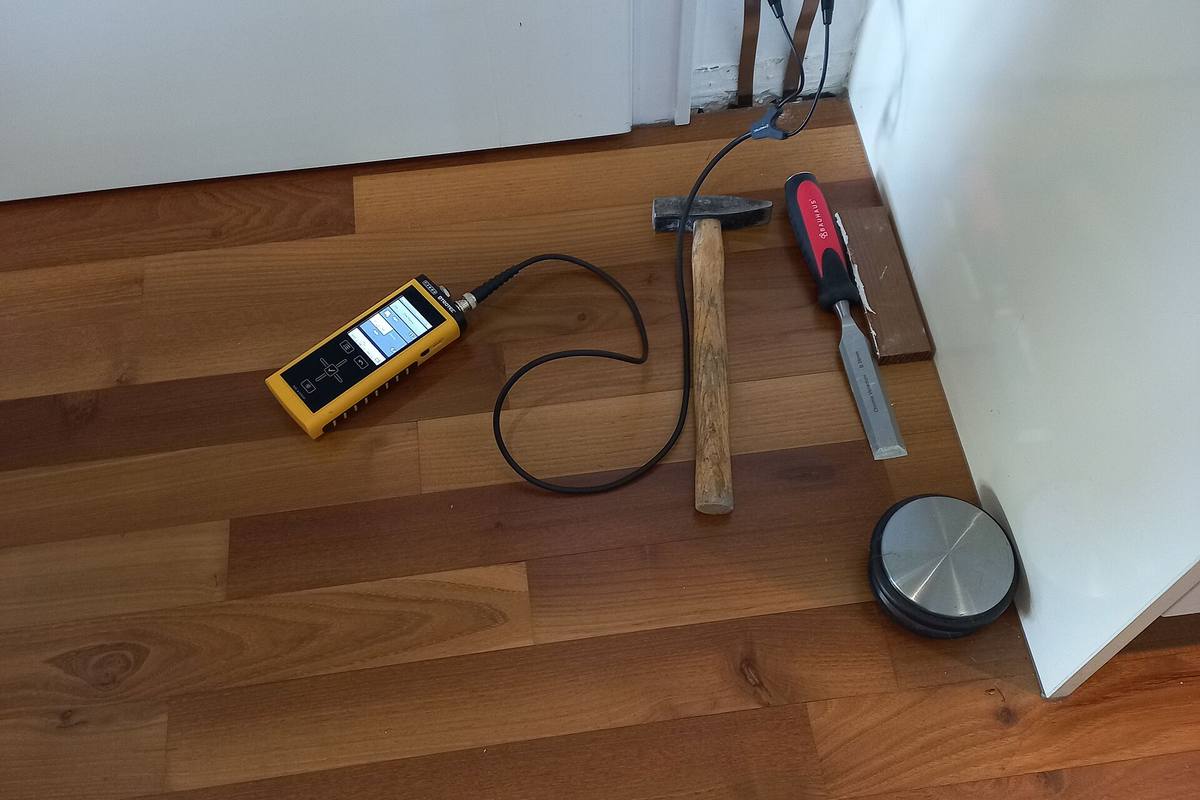 Charleston, SC
A stain with no clear leak, a bill that jumped, a wall that feels cool — leak detection finds the water before it finds the rest of the house.
Learn more →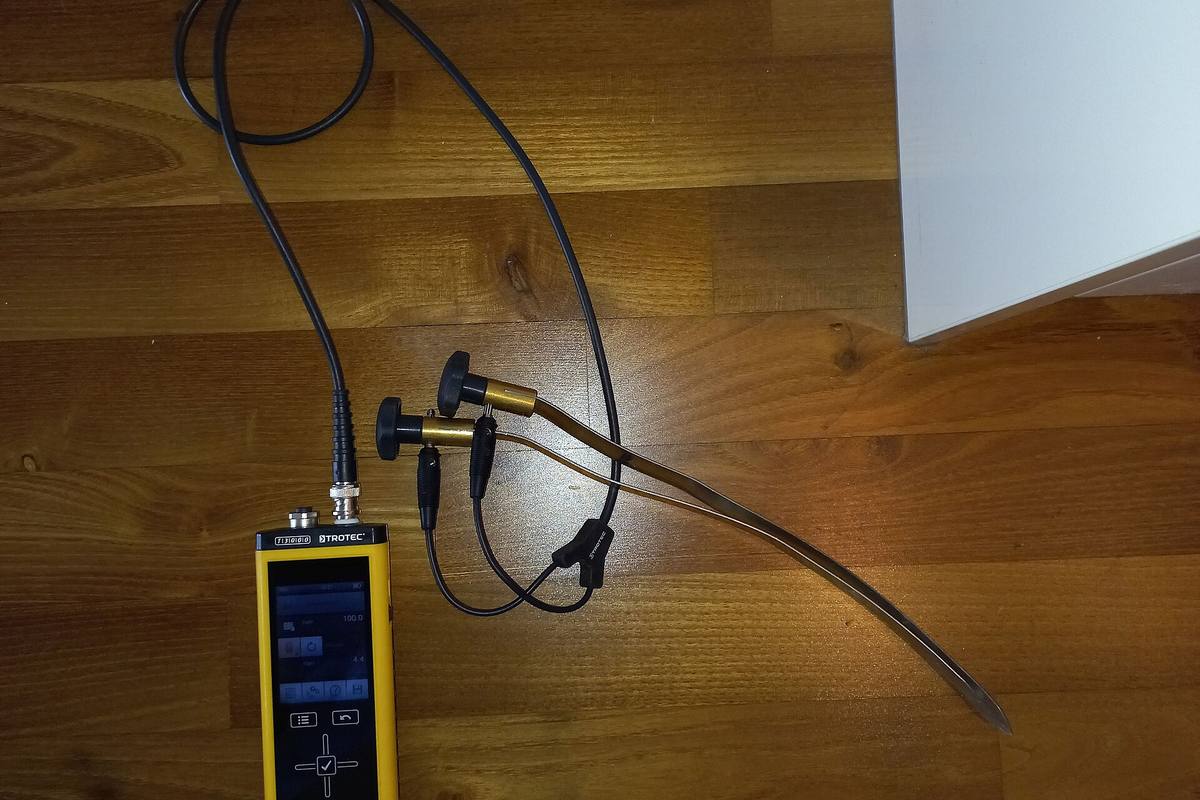 Charleston, SC
Water damage is a moisture problem. Moisture detection finds the water — inside walls, floors and framing — before anything else.
Learn more →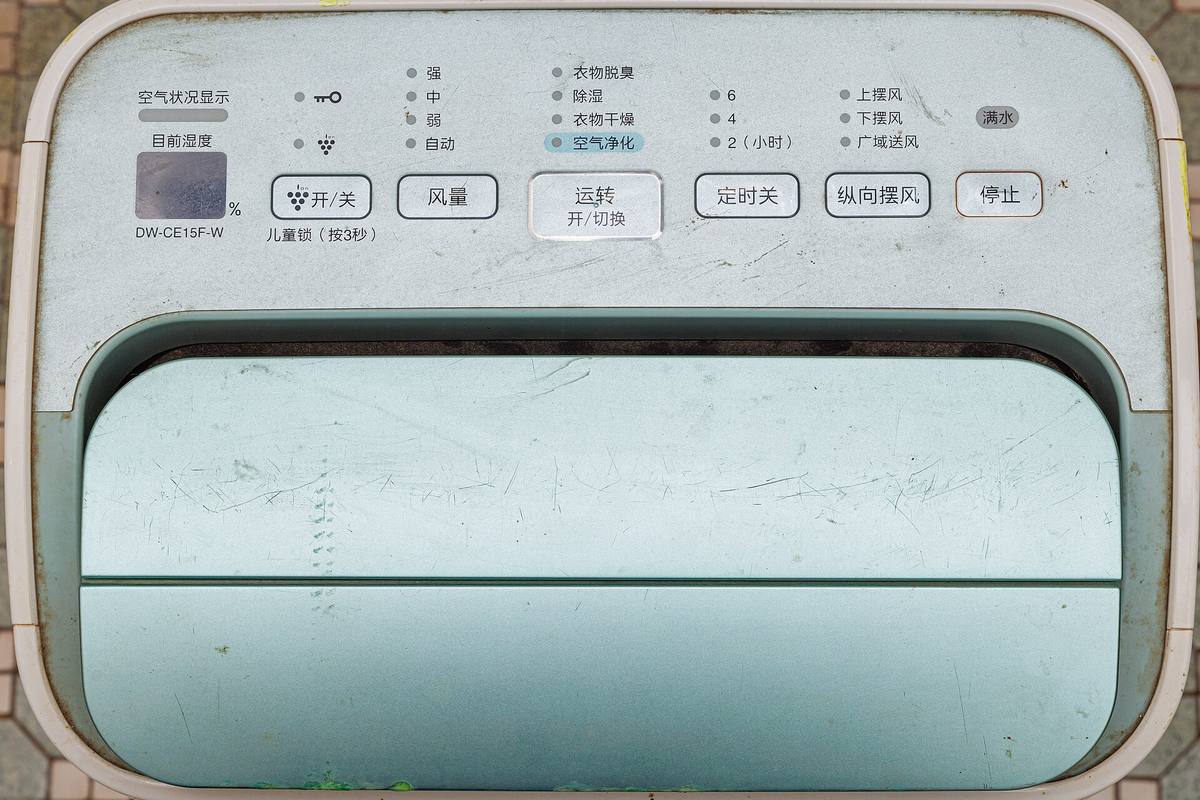 Charleston, SC
Charleston's humid air keeps wet materials damp. Dehumidification pulls the moisture out of the air so the structure can actually dry.
Learn more →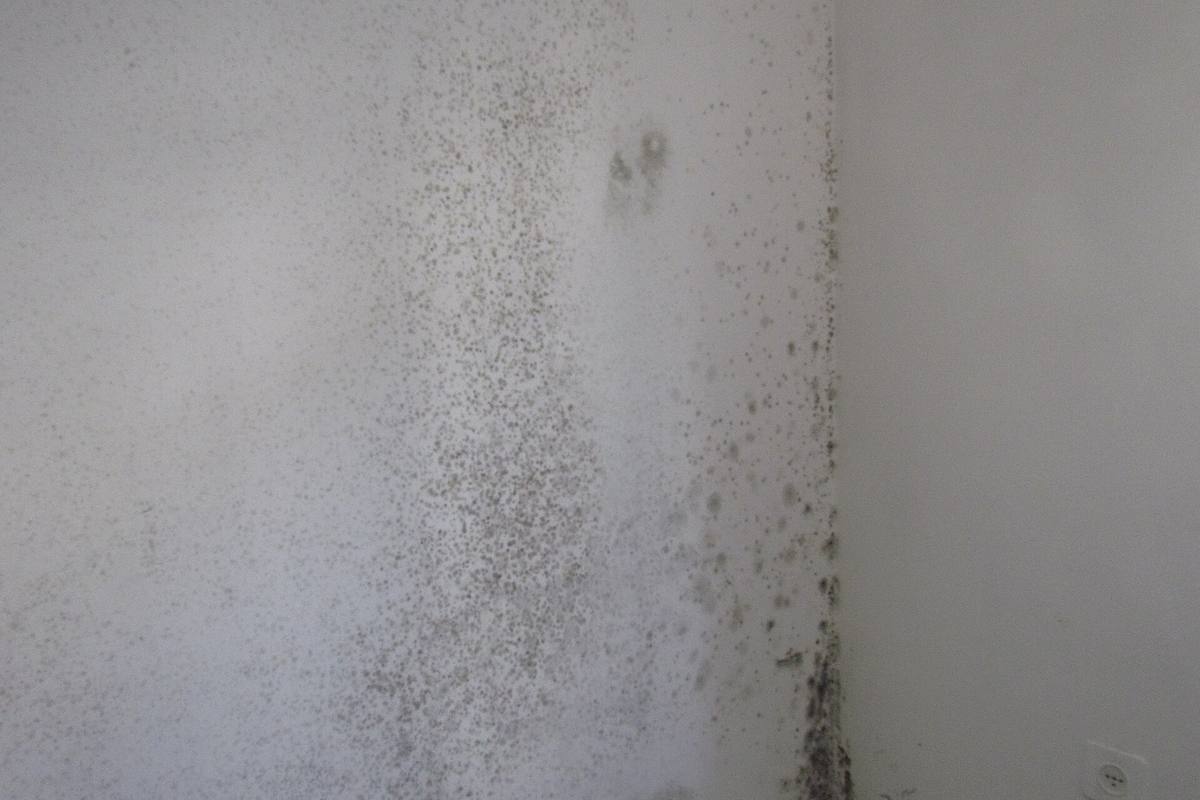 Charleston, SC
Mold is a moisture problem. Preventing it means fixing the moisture — drying the structure, finding the source, and keeping it dry.
Learn more →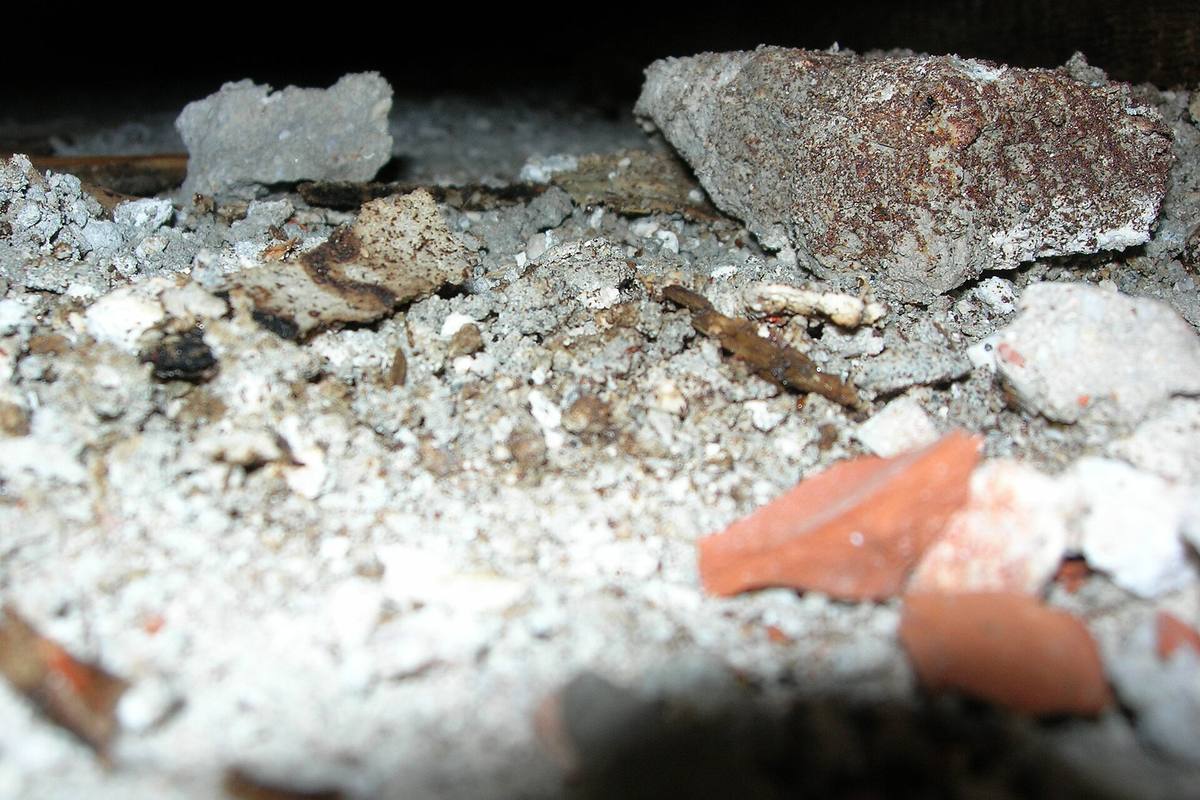 Charleston, SC
When mold has taken hold, remediation means removing the growth, drying the structure, and fixing the moisture that fed it.
Learn more →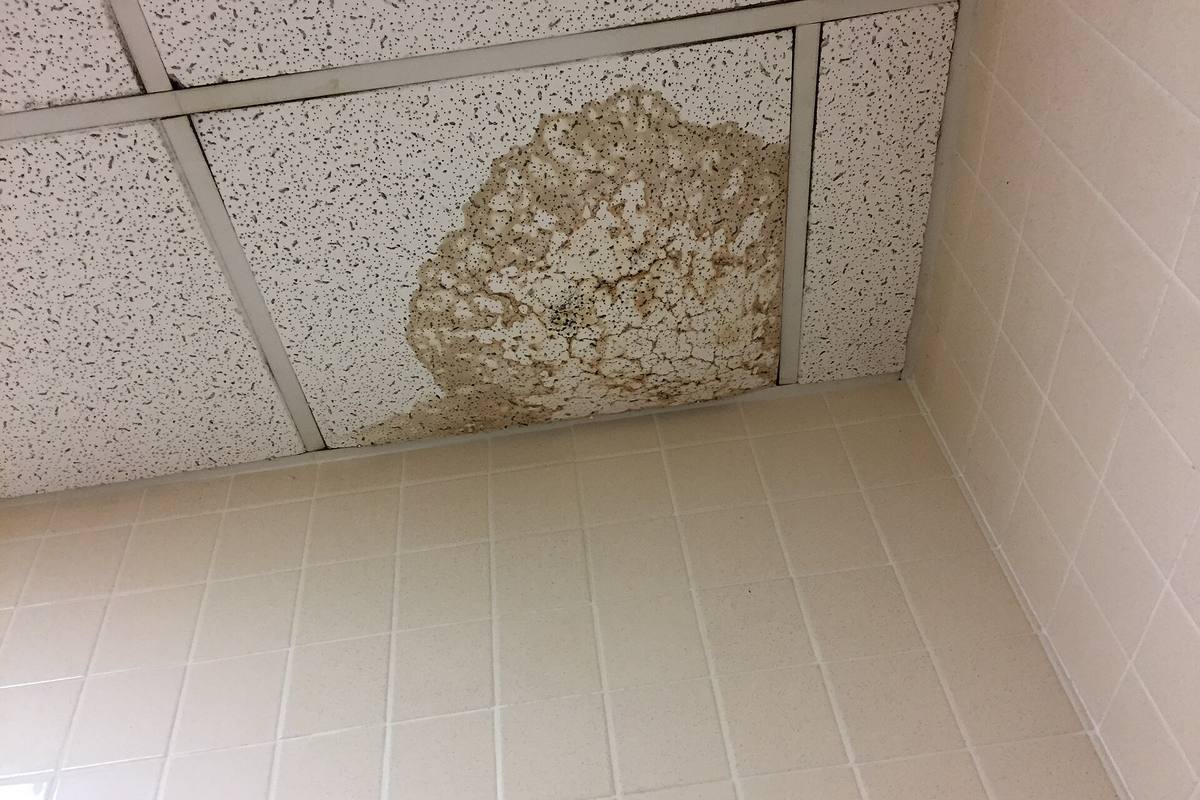 Charleston, SC
A stained or sagging ceiling means water came through from above. Repair starts with finding the source — then drying, then fixing.
Learn more →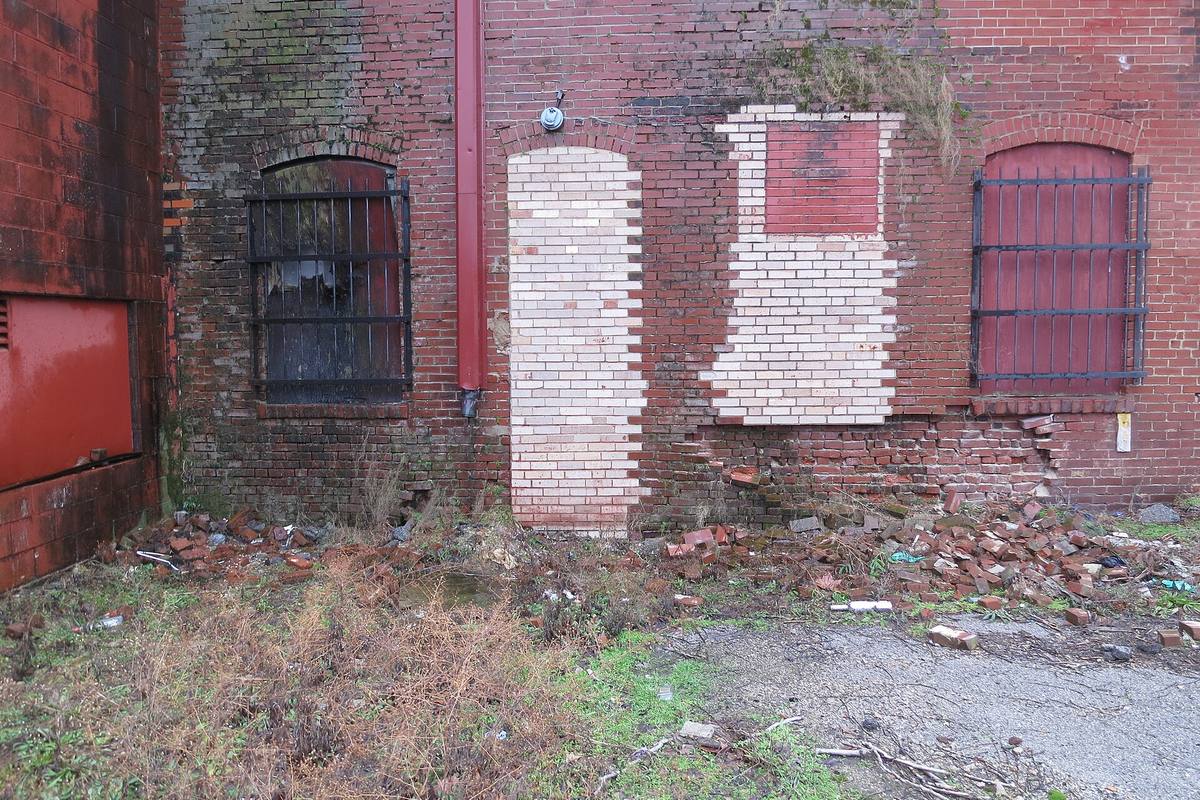 Charleston, SC
A wet wall can look fine on the surface and be soaked inside. Repair starts with moisture readings — then drying, then fixing.
Learn more → Charleston, SC
Offices, shops, restaurants and rentals — water damage handled around your business, with documentation you can use.
Learn more → Charleston, SC
Water damage at home — from the first call to a dry, repaired house, with a clear plan at every step.
Learn more →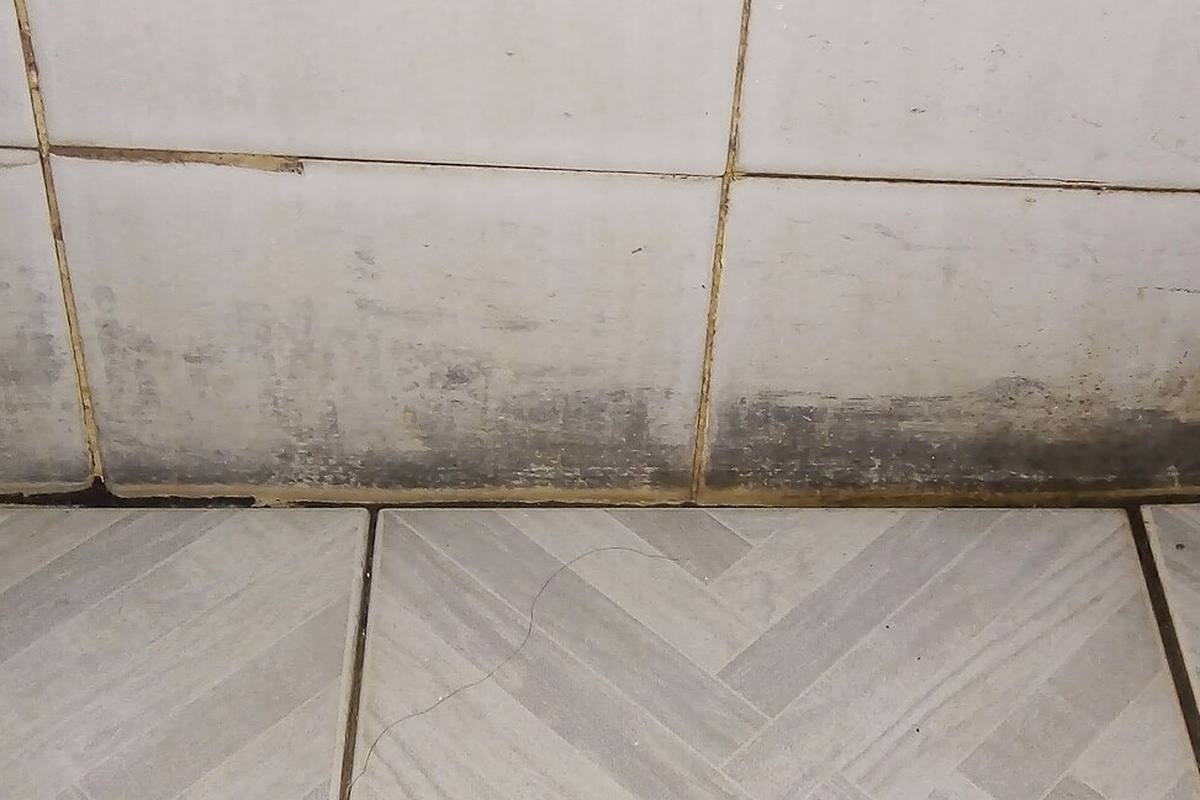 Charleston, SC
Flood water in your home right now? Call for 24/7 water removal — we connect you with a local provider who can respond.
Learn more →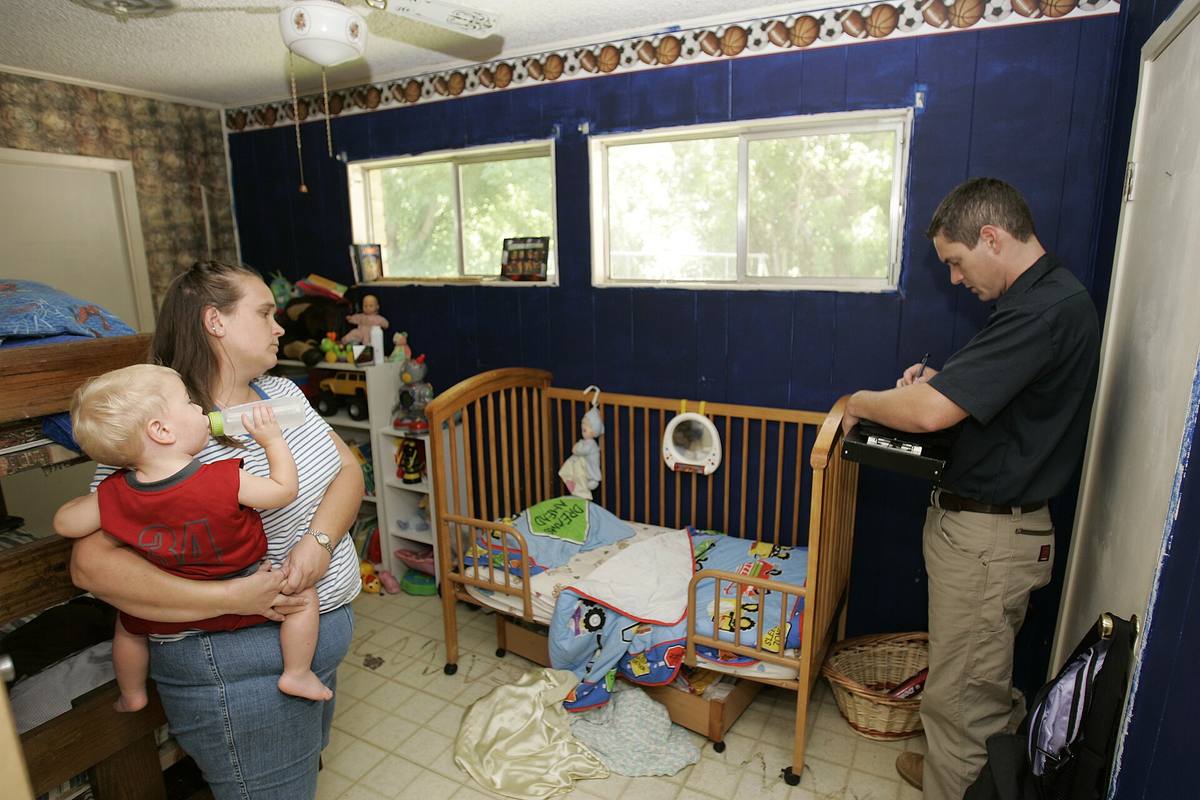 Charleston, SC
A room-by-room inspection after water damage — what got wet, how wet it is, and what it will take to dry and fix.
Learn more → Charleston, SC
A smell that will not go away usually means something is still wet. Odor removal starts with finding the source — not covering it up.
Learn more → Charleston, SC
Furniture, belongings and keepsakes that got wet — cleaned and dried where they can be saved, with an honest answer where they cannot.
Learn more →How We Dry
Truck-mounted or portable extractors pull standing water from floors, carpets and low spots — including the water hiding in carpet padding.
Meters read moisture through drywall and flooring, and inside framing. Readings are relative — a wet reading means something against a dry reading from the same material.
Air movers keep dry air moving across wet materials while dehumidifiers pull the moisture out of the air itself — essential in Charleston's humid climate.
A thermal camera shows cool, wet areas behind surfaces in minutes. It sees temperature, not moisture — so every anomaly is confirmed with a meter before it goes in the report.
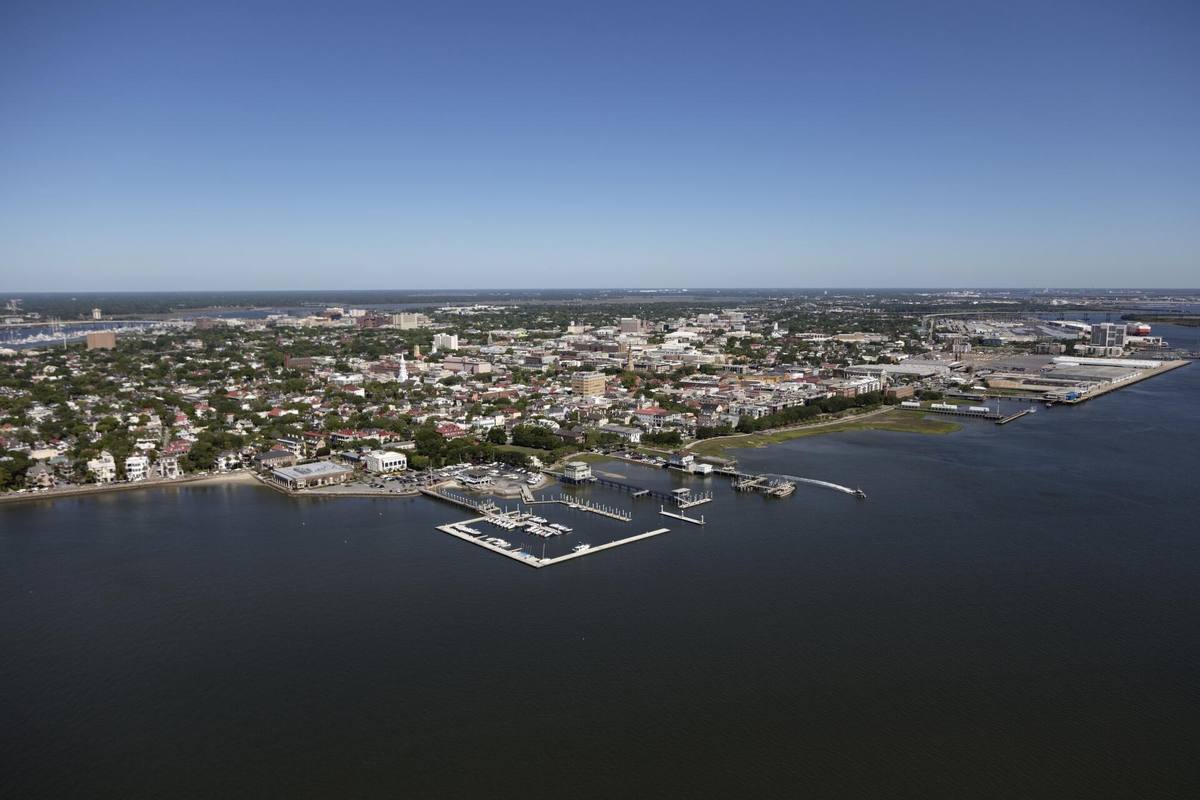
Why Charleston Calls Us
What Happened?
A supply line let go and water is spreading across the floors. Stop the water if you can do it safely, then call for 24/7 water removal. Burst pipe cleanup →
A downpour on a high tide backed water up through the drains. Extraction first, then drying and documentation. Emergency flood response →
A stain means water has been moving through the ceiling — and the source may still be active. Moisture mapping finds where it came from. Ceiling water damage repair →
Groundwater and a high water table push water in again and again. The entry point has to be found — not just the water removed. Basement water removal →
Service Area
Five main areas, plus thirty-three more neighborhoods and communities across Charleston, South Carolina.
 Charleston, SC
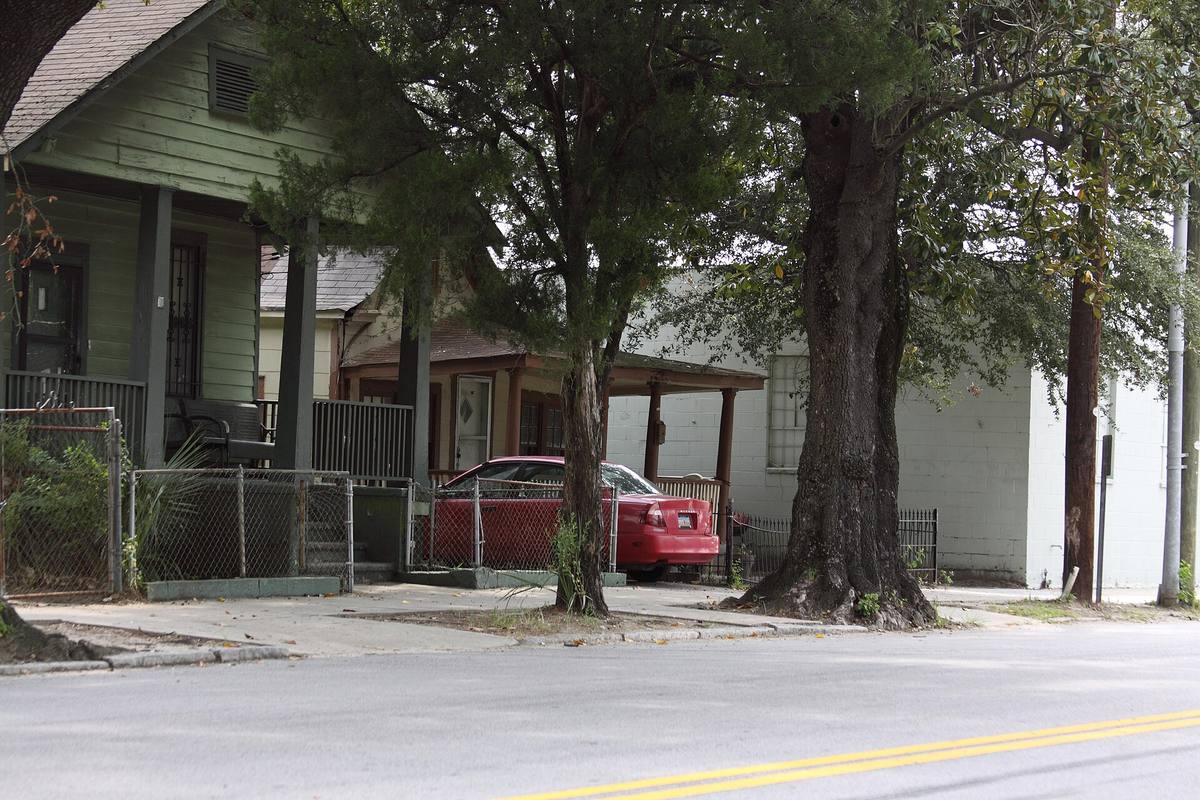
The peninsula's historic core — the Market, lower King Street and the Battery, where the harbor meets the city.
Learn more →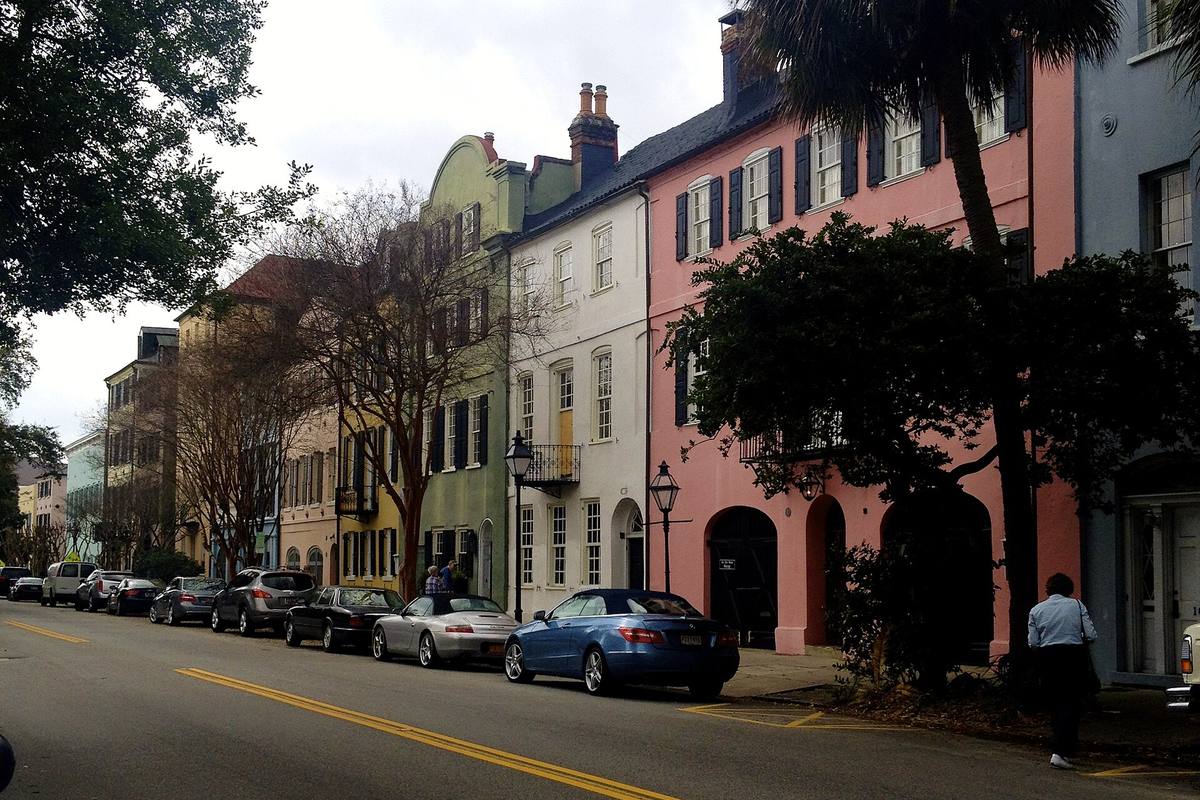 Charleston, SC
Charleston's oldest streets — Rainbow Row, historic houses and centuries-old buildings.
Learn more →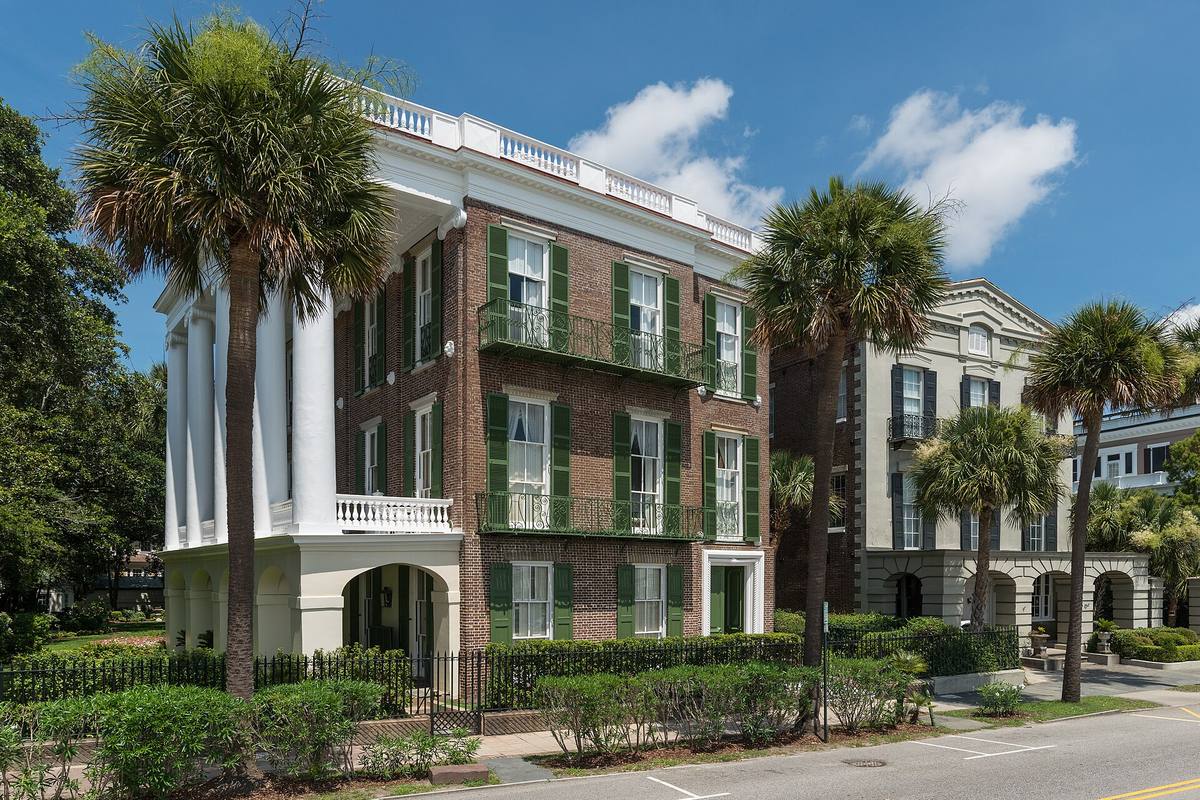 Charleston, SC
Grand historic homes south of Broad Street, down to the Battery and the harbor.
Learn more →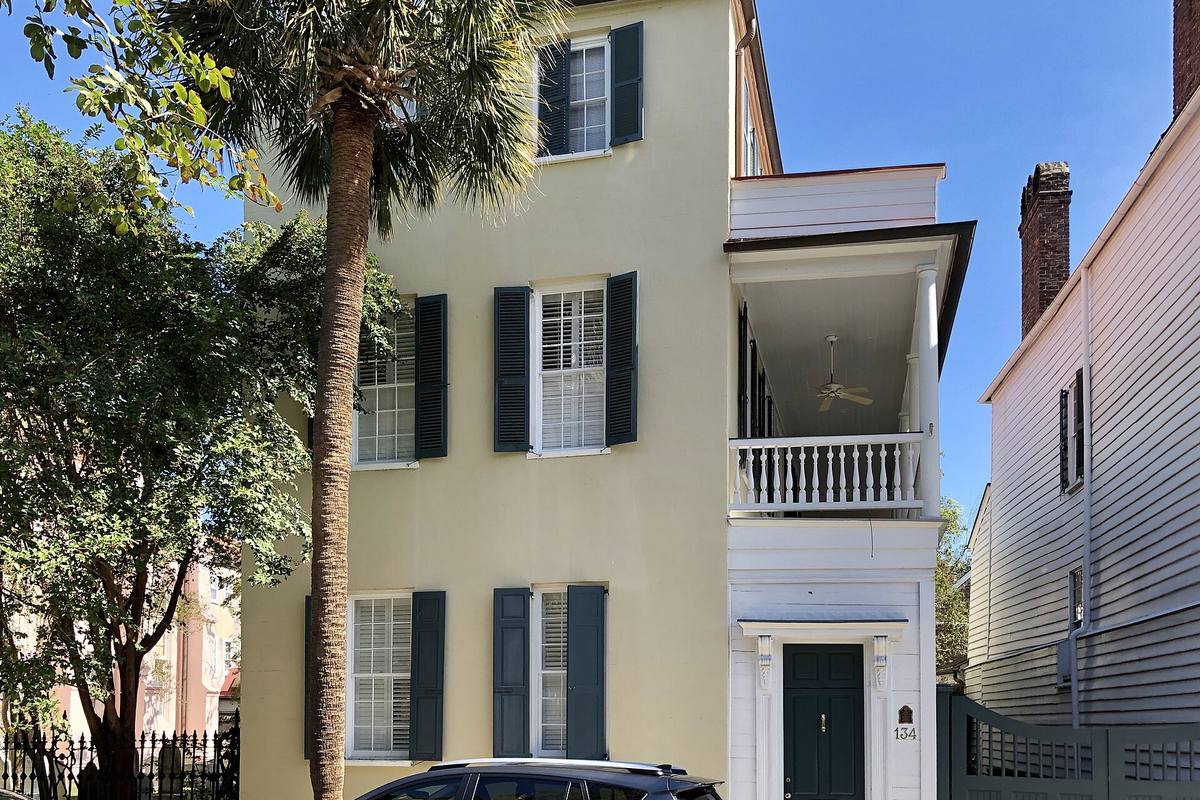 Charleston, SC
The French Quarter — the Market, St. Philip's Church and some of the city's oldest streets.
Learn more →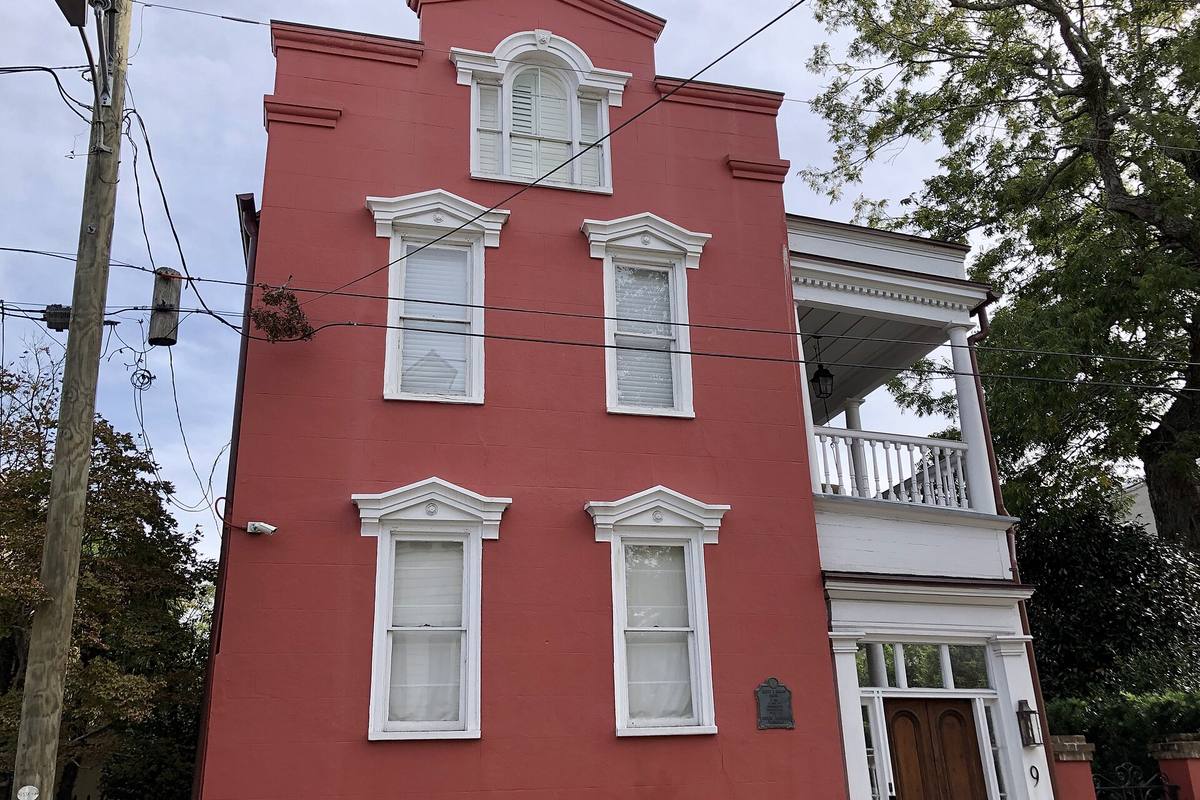 Charleston, SC
A quiet historic neighborhood of 19th-century houses, just north of the Market.
Learn more →Call for 24/7 Water Removal
Fill in the form and we will get back to you — or call now for the fastest help.
Call now: (925) 230-5137
Address: 77 Wentworth St, Charleston, SC 29401, USA
RapidDry Restoration is a local referral service. When you call, we connect you with an independent local water damage restoration provider serving Charleston, South Carolina.
Questions, Answered
As fast as it can be. Water soaks deeper into framing, subfloor and drywall the longer it sits, and damp materials are where mold starts. Call as soon as you find it — that is what the 24/7 line is for.
If you can do it safely, stop the source — turn off the water at the shut-off valve. Then call. Do not walk through standing water near electrical outlets or appliances, and do not use a household vacuum on it.
With a moisture meter, compared against a dry reading from the same material. A wall can feel dry on the surface and still be wet inside — the meter is what decides.
Sometimes. Clean water extracted quickly often leaves the carpet usable; water that sat for days, or contaminated water, usually means the padding has to go. The provider decides once the water is out and the readings are taken.
The peninsula is low and flat, and its storm drains empty into a harbor that is sometimes higher than the streets. When a downpour lands on a high tide, the water has nowhere to go and comes back up through the drains.
Downtown Charleston, Historic District, South of Broad, French Quarter and Ansonborough, plus thirty-three more areas across Charleston, South Carolina — including Harleston Village, Wagener Terrace, West Ashley, Avondale and Shadowmoss.
Standing water does not wait, and neither should you. Call now and we will connect you with a local water damage restoration provider in Charleston who can get the water out, dry the structure and tell you plainly what comes next.
Call for 24/7 Water Removal(925) 230-5137