 RapidDry RestorationWater Damage Restoration · Charleston, SC
Call for 24/7 water removal(925) 230-5137
Call for 24/7 Water Removal
RapidDry Restoration · Charleston, SC
Drying a building properly means drying inside the walls and framing — measured with meters, not guessed by touch.
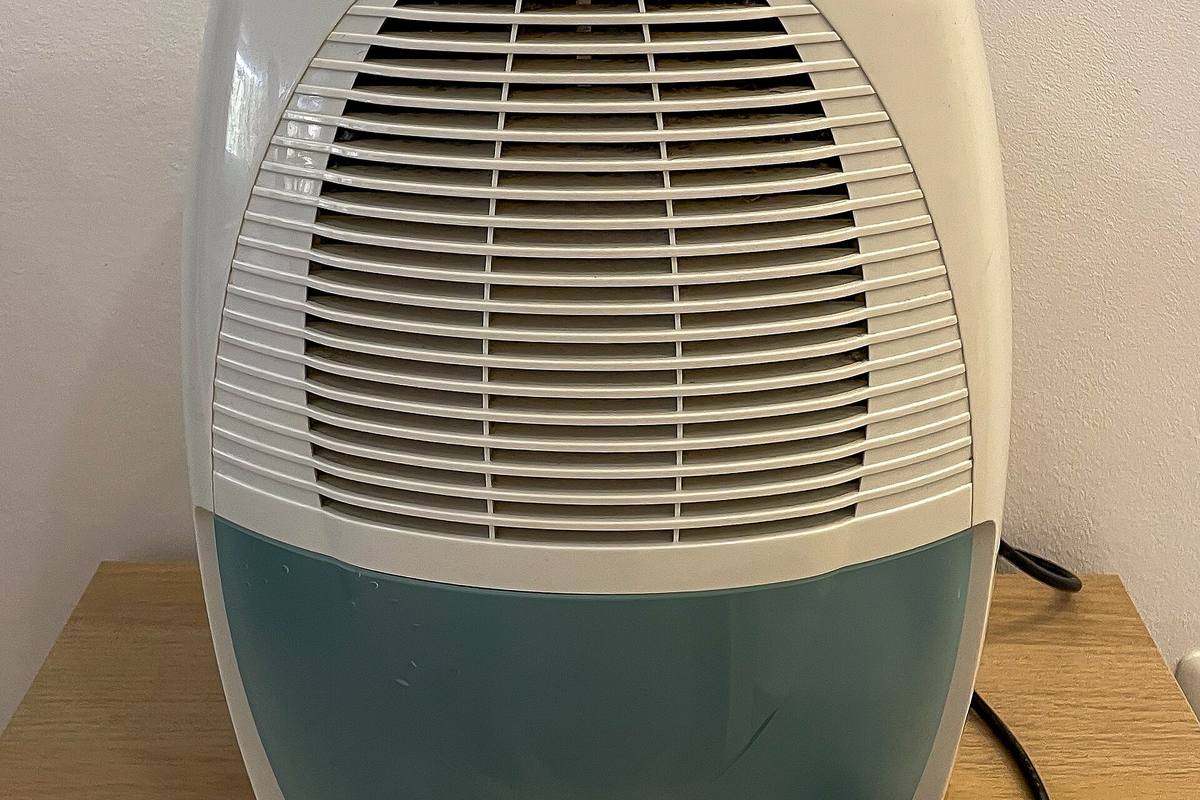
A room can feel dry while its walls are still wet inside. Structural drying is the careful work of getting water out of the building itself — drywall, framing, subfloor and insulation — using air movers and dehumidifiers, and checking the progress with moisture meters until the readings say the structure is dry.
Charleston's building stock makes this step essential. Plaster walls, heart-pine floors and raised pier-and-beam homes all dry slowly, and the Lowcountry's humid air means a wet structure does not dry on its own. Drying to a measured reading is what keeps a repair from turning into mold behind new drywall.
Moisture meters map what is wet — inside walls and floors, not just on the surface.
Air movers and dehumidifiers are placed to move dry air across the wet materials.
Progress is measured over the drying period until readings reach a dry baseline.
Once the structure is dry, the repair is planned from what the readings found.
Call and we will connect you with a local water damage restoration provider in Charleston.
(925) 230-5137Call for 24/7 Water Removal
Downtown Charleston, Historic District, South of Broad, French Quarter, Ansonborough — and 33 more areas across Charleston, SC. See all areas →
Questions, Answered
It depends on the material, how wet it is and the weather — plaster and hardwood dry slower than modern drywall, and humid air slows everything down. The provider measures progress and tells you plainly what the readings show.
In Charleston's climate, usually not well. The outdoor air is often humid enough to keep wet materials damp, and a wet wall cavity does not dry from the room side alone. Air movers and dehumidifiers do the work that open windows cannot.
With a moisture meter, compared against a dry reading from the same material in an unaffected area. The meter decides — not a hand on the wall.
Standing water does not wait, and neither should you. Call now and we will connect you with a local water damage restoration provider in Charleston who can get the water out, dry the structure and tell you plainly what comes next.
Call for 24/7 Water Removal(925) 230-5137